Loading

Abramson Cancer Center, University of Pennsylvania
Where CAR-T became a drug (June, Levine; Emily Whitehead), mRNA was made druggable (Karikó, Weissman), and PARP PET was invented.
Overview
The Abramson Cancer Center at the University of Pennsylvania in Philadelphia, NCI-designated as comprehensive, is where CAR-T became a drug through Carl H. June, Bruce L. Levine and the treatment of Emily Whitehead, where Karikó and Drew Weissman made mRNA druggable, recognised by the 2023 Nobel Prize, and where PARP PET was invented. Its record covers CTL019, now tisagenlecleucel, proved in ELIANA and JULIET, the in vivo CAR-T origins behind Capstan and Interius BioTherapeutics, 18F-FluorThanatrace PARP PET, proton therapy and the Basser Center for BRCA, with Robert H. Vonderheide and Robert H. Mach among its people. OnCo links it to CAR-T for glioma, to the PROSE paper on preventive surgery in BRCA carriers, and to Children's Hospital of Philadelphia. Whether in vivo CAR-T can match ex vivo products is the question its spin-outs now test. Programmes are listed below.
Location
Philadelphia, US
Type
cancer center · University of Pennsylvania
Website
Newsweek 2026 oncology rank
Not in top 300 listing used
NCI designation
comprehensive
OnCo score
#32 · 73 points (0 Newsweek + 15 NCI + 58 from 29 linked objects) · ranking
Research output
From OpenAlex, oncology works in the last five years (2022 to 2026, current year in progress); counted on 2026-10-15.
Matched to University of Pennsylvania, including child institutions. 3,093 works · 52,239 citations · 66% open access · 11% clinical trials · 2% reviews.
Oncology works per year
6302022
6282023
6422024
7032025
4902026
Most works
- Carl H. June185 works
- Stephen J. Schuster140 works
- Marco Ruella122 works
- Giorgos Constantine Karakousis112 works
- Joseph A. Fraietta100 works
- Stefan Klaus Barta87 works
- Saar I. Gill73 works
- Elise A. Chong72 works
- Ben Z. Stanger69 works
- John Thomas Miura61 works
Most cited
Programmes
4- CAR-T and in vivo CAR
- mRNA
- PARP PET
- BRCA (Basser Center)
People
19Alexander E. Perl
Professor of Medicine, Abramson Cancer Center, University of Pennsylvania
Acute myeloid leukaemiaFLT3 inhibitorsRelapsed AML
Led ADMIRAL, which made gilteritinib the standard for relapsed FLT3-mutant AML.
Angela DeMichele
Co-Leader, Breast Cancer Research Program; Alan and Jill Miller Professor in Breast Cancer Excellence
Breast cancerCDK4/6 inhibitorsI-SPY 2 platform trial
Angela DeMichele led the first palbociclib clinical trial and co-leads the I-SPY 2 adaptive platform.
Bruce L. Levine
Barbara and Edward Netter Professor in Cancer Gene Therapy; Founding Director, Clinical Cell and Vaccine Production Facility
Cell therapy manufacturingCAR-TTranslational immunotherapy
Built the manufacturing that turned CAR-T from a lab idea into a product given to thousands of patients.
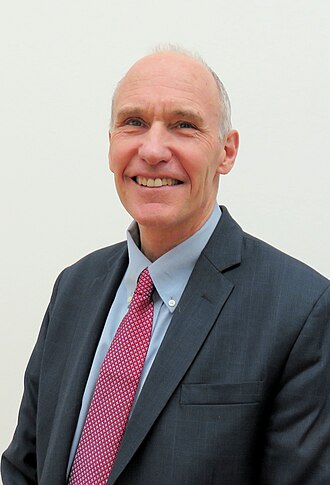
Carl H. June
Richard W. Vague Professor in Immunotherapy; Director, Center for Cellular Immunotherapies
CAR-T cell therapyGene-modified T cellsCellular immunotherapy
Developed the CD19 CAR-T therapy that became the first approved gene-modified cell therapy for cancer.
Charu Aggarwal
Leslye M. Heisler Professor for Lung Cancer Excellence; Section Chief, Thoracic and Head & Neck Medical Oncology
Lung cancerLiquid biopsyImmunotherapy
Showed that adding blood-based sequencing to tissue testing finds more targetable lung cancer mutations.
David L. Porter
Jodi Fisher Horowitz Professor in Leukemia Care Excellence; Director, Cell Therapy and Transplant
CAR-TChronic lymphocytic leukaemiaStem cell transplant
Treated the first adult CLL patients with CAR-T and reported a decade of durable remissions.
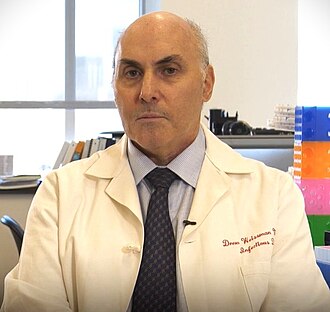
Drew Weissman
Roberts Family Professor in Vaccine Research; Director, Penn Institute for RNA Innovation
mRNA therapeuticsLipid nanoparticlesIn vivo cell engineering
Drew Weissman is the Nobel laureate whose modified-mRNA discovery underlies mRNA vaccines and now in vivo CAR-T.
Emily Whitehead
Patient whose case launched CAR-T for children
Acute lymphoblastic leukaemiaCAR-T cell therapyPaediatric oncology
The first child treated with CAR-T cells, in 2012. Her recovery from relapsed leukaemia turned an experimental idea into an approved therapy.
Jeffrey D. Bradley
Professor and Vice Chair of Radiation Oncology, University of Pennsylvania Perelman School of Medicine
Thoracic radiation oncologyDose escalationProton therapy
Led RTOG 0617, the trial that showed higher radiation doses do not help in stage III lung cancer and set today's 60 Gy standard.
Leonard Abramson
U.S. Healthcare founder whose 1997 gift created Penn's Abramson Cancer Center
Cancer centre buildingPaediatric cancer research
In 1997 he and his wife Madlyn, a cancer survivor, gave the University of Pennsylvania the gift that created the Abramson Cancer Center, where CAR-T therapy was later developed.
Lynn M. Schuchter
ASCO President 2023-2024; Chief, Hematology-Oncology, University of Pennsylvania
MelanomaImmunotherapyProfessional leadership
Lynn Schuchter is a melanoma oncologist who led ASCO in 2023-24.
Mitchell D. Schnall
Group Co-Chair, ECOG-ACRIN Cancer Research Group; Chair of Radiology, University of Pennsylvania
ImagingBreast MRIImaging trials
Mitchell Schnall is the radiologist who brought imaging research into the ECOG-ACRIN cooperative group.
Peter J. O'Dwyer
Group Co-Chair, ECOG-ACRIN Cancer Research Group; Professor of Medicine, University of Pennsylvania
Gastrointestinal oncologyDrug developmentCooperative group trials
Peter O'Dwyer is a GI oncologist who co-leads ECOG-ACRIN, one of the NCI's national trial networks.
Robert H. Mach
Britton Chance Professor of Radiology; Director, PET Radiochemistry
RadiochemistryPARP PETMolecular imaging
Robert Mach invented the PARP PET tracer FluorThanatrace that images DNA repair capacity in tumours.
Robert H. Vonderheide
Director, Abramson Cancer Center
Pancreatic cancer immunotherapyCD40 agonistsTumour immunology
Directs Penn's cancer centre and pioneered CD40 agonist immunotherapy for pancreatic cancer.

Sean Parker
Founder of the Parker Institute for Cancer Immunotherapy
Cancer immunotherapyResearch networksPhilanthropy
In 2016 he founded and funded an institute that runs cancer immunotherapy research as one network across a dozen leading cancer centres, sharing data, samples and patents rather than competing for them.
Stephan A. Grupp
Chief, Cellular Therapy and Transplant Section, Children's Hospital of Philadelphia; Professor of Pediatrics, University of Pennsylvania
Paediatric CAR T-cell therapyAcute lymphoblastic leukaemiaCytokine release syndrome
Treated the first child with CAR-T cells and led ELIANA, the trial behind the first CAR-T approval.
Stephen J. Schuster
Robert and Margarita Louis-Dreyfus Professor in CLL and Lymphoma, Abramson Cancer Center, University of Pennsylvania
CAR T-cell therapyLymphomaChronic lymphocytic leukaemia
Led JULIET, which brought tisagenlecleucel, the first CAR-T, to adults with relapsed large B-cell lymphoma.
Susan M. Domchek
Executive Director, Basser Center for BRCA
BRCA1/2Hereditary cancerPARP inhibitors
Leads the world's first centre dedicated to BRCA-related cancers and the trials of PARP inhibitors plus immunotherapy.
Key papers
7observationalJournal of Clinical Oncology 2022changed practice198 citations
The Multicenter Cancer of Pancreas Screening Study: Impact on Stage and Survival
The stage shift the pancreatic cancer page quotes (about three in four surveillance-detected cancers at stage I) and the strongest argument for offering surveillance to every germline carrier found by universal testing, which the NHS does not yet do outside research.
rctJournal of Clinical Oncology 2021214 citations
Phase II study of maintenance rucaparib in patients with platinum-sensitive advanced pancreatic cancer and a pathogenic germline or somatic variant in BRCA1, BRCA2, or PALB2
It is the evidence that PALB2 and somatic BRCA2 belong in the PARP inhibitor conversation even though the olaparib label stops at germline BRCA.
reviewCancer Cell 2020534 citations
Challenges and opportunities for pancreatic cancer immunotherapy
The clearest statement of why the corpus records so many negative immunotherapy trials here, and of the design logic behind the vaccine and agonist combinations now in trials.
translationalNew England Journal of Medicine 2019changed practice3,333 citations
JULIET: tisagenlecleucel for adults with relapsed or refractory diffuse large B-cell lymphoma
JULIET, with ZUMA-1, showed that CAR-T could rescue a substantial minority of adults with chemotherapy-refractory lymphoma and that complete responders often stay in remission. The lower toxicity of a 4-1BB construct and the option of bridging therapy made it usable in a broader population. The high drop-out between enrolment and infusion remains a lesson about turnaround time.
translationalNew England Journal of Medicine 2018changed practice4,624 citations
ELIANA: the global trial that made tisagenlecleucel the first approved CAR-T therapy for children and young adults with relapsed ALL
ELIANA turned CAR-T from a single-centre experiment into a licensed product and created the regulatory and logistical template every later cell therapy has followed. For children with refractory leukaemia it offers a chance of durable remission without transplant. The trial also exposed the gaps: manufacturing failures, patients dying while waiting, and roughly half relapsing within a few years.
translationalNew England Journal of Medicine 2014changed practice4,362 citations
Maude 2014: CD19 CAR-T cells produce complete remission in 27 of 30 children and adults with relapsed ALL
This paper is the proof-of-concept for a living drug: a single infusion of a patient's own engineered T cells could eradicate leukaemia that had survived chemotherapy, transplant and antibody therapy. It defined cytokine release syndrome and its antidote, tocilizumab, and revealed antigen-loss relapse. It led directly to the first approved gene-modified cell therapy three years later.
observationalJAMA 2010changed practice1,086 citations
PROSE consortium: preventive surgery lowers cancer and death in BRCA1 and BRCA2 carriers
For women who carry a BRCA mutation, preventive removal of the ovaries and tubes saves lives, and preventive mastectomy almost eliminates breast cancer. These are the strongest prevention effects in oncology, which is why finding carriers before they develop cancer matters so much.
Connected
48Similar pages
- TreatmentTisagenlecleucel
Shares David L. Porter, Emily Whitehead, Carl H. June, JULIET: tisagenlecleucel for adults with relapsed or refractory diffuse large B-cell lymphoma.
- TrialELIANA
Shares Stephan A. Grupp, Emily Whitehead, ELIANA: the global trial that made tisagenlecleucel the first approved CAR-T therapy for children and young adults with relapsed ALL, CAR-T cell therapy.
- InstitutionUniversity of Florida Health Cancer Center
Shares Proton therapy machines: cyclotrons, synchrotrons and single-room systems, Personalised neoantigen (mRNA) vaccines, Proton therapy, National Cancer Institute (NIH).
- TargetCD19
Shares Stephan A. Grupp, Stephen J. Schuster, David L. Porter, Emily Whitehead.
- InstitutionSiteman Cancer Center, Washington University
Shares Parker Institute for Cancer Immunotherapy, Proton therapy machines: cyclotrons, synchrotrons and single-room systems, Personalised neoantigen (mRNA) vaccines, Proton therapy.
- InstitutionCity of Hope
Shares CAR-T for glioma (IL13Rα2, GD2, EGFRvIII, multi-target), Parker Institute for Cancer Immunotherapy, National Cancer Institute (NIH), CAR-T cell therapy.
- TermCytokine release syndrome (CRS)
Shares Emily Whitehead, JULIET: tisagenlecleucel for adults with relapsed or refractory diffuse large B-cell lymphoma, Maude 2014: CD19 CAR-T cells produce complete remission in 27 of 30 children and adults with relapsed ALL, ELIANA: the global trial that made tisagenlecleucel the first approved CAR-T therapy for children and young adults with relapsed ALL.
- TrialJULIET
Shares Stephen J. Schuster, JULIET: tisagenlecleucel for adults with relapsed or refractory diffuse large B-cell lymphoma, CAR-T cell therapy.
cancers
technologies
targets
companies
institutions
pathways
ideas
people
Alexander E. PerlAngela DeMicheleBruce L. LevineCarl H. JuneCharu AggarwalDavid L. PorterDrew WeissmanEmily WhiteheadJeffrey D. BradleyLeonard AbramsonLynn M. SchuchterMitchell D. SchnallPeter J. O'DwyerRobert H. MachRobert H. VonderheideSean ParkerStephan A. GruppStephen J. SchusterSusan M. Domchek
key papers
Challenges and opportunities for pancreatic cancer immunotherapyELIANA: the global trial that made tisagenlecleucel the first approved CAR-T therapy for children and young adults with relapsed ALLJULIET: tisagenlecleucel for adults with relapsed or refractory diffuse large B-cell lymphomaMaude 2014: CD19 CAR-T cells produce complete remission in 27 of 30 children and adults with relapsed ALLPhase II study of maintenance rucaparib in patients with platinum-sensitive advanced pancreatic cancer and a pathogenic germline or somatic variant in BRCA1, BRCA2, or PALB2PROSE consortium: preventive surgery lowers cancer and death in BRCA1 and BRCA2 carriersThe Multicenter Cancer of Pancreas Screening Study: Impact on Stage and Survival
Open-source projects
All open source in oncology →Open-source projects that this organisation maintains, from OnCo's own catalogue: licence and last activity as the repository reported them on the day of the fetch. Listing is not endorsement; check the licence before reuse and the validation before clinical use.
The Cancer Imaging Phenomics Toolkit from Penn: brain tumour segmentation, radiomics and survival prediction in one application.
The federated learning platform that trained a glioblastoma segmentation model across 71 sites without sharing patient data.
Sources
Every source this page cites, grouped by who published it. Grouping is read from the web address, not assigned by hand.
pennmedicine.org · 1
ptcog.site · 1
A source that has moved or gone is reported by the weekly link check. /audit/