Loading
carer
Family members and carers whose stories are told on the heroes page. 10 records carry it: 7 terms, 3 people.
10 records
| Cancers | Other tags | ||||
|---|---|---|---|---|---|
Advance care planning Advance care planning means talking with your family and your care team about what matters to you and writing down the care you would want if you became too unwell to say. You can start at any point, and you can change it later. | none | none | supportive | ||
Ann Lurie Nurse and philanthropist behind Northwestern's Robert H. Lurie Comprehensive Cancer Center After her husband Robert was diagnosed with advanced colon cancer in 1987 at 46, she turned the family's fortune to Northwestern's cancer centre, which carries his name, and to the children's hospital that carries both. | Colorectal cancer | none | hero, donor | ||
Care of dying adults in the last days of life In the last days of life, care focuses on comfort: recognising that someone is dying, talking openly with them and their family, keeping them hydrated if that helps, and having medicines ready for pain, breathlessness, sickness, agitation and noisy breathing. | none | none | supportive | ||
End-of-life care at home (hospice at home) Many people can be cared for at the end of life in their own home, with visits from nurses, doctors and carers, equipment and medicines arranged by the hospice or community team. Ask early, because setting it up can take time. | none | none | supportive | ||
Grief and bereavement support Grief after someone dies of cancer is normal and takes its own time. Hospices and cancer charities offer bereavement support to families, and help is available if grief stays very intense for many months. | none | none | supportive, psychosocial | ||
Hospice inpatient care and respite care Most hospice care is given at home, but a hospice team can arrange a short stay in an inpatient unit when symptoms need closer care, or a respite stay so that a family carer can rest. | none | none | supportive | ||
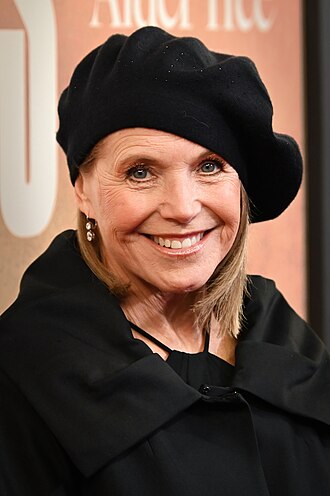
Katie Couric Widow, journalist and later patient; the on-air colonoscopy that lifted screening rates After her husband died of colon cancer at 42, she had a colonoscopy live on national television in 2000. Screening rates rose measurably afterwards: the "Couric effect". | Colorectal cancer | none | public-figure, advocate, patient | ||
Lasting power of attorney for health and welfare (England and Wales) A health and welfare lasting power of attorney lets you choose someone you trust to make decisions about your care, including life-sustaining treatment, if you become unable to decide. It has to be registered before it can be used, which takes weeks, so it is worth doing early. | none | none | supportive, uk | ||
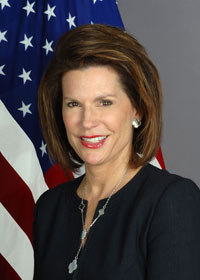
Nancy Brinker Founder of Susan G. Komen She promised her dying sister, Susan Komen, that she would end breast cancer, and in 1982 founded the organisation that created the Race for the Cure and made breast cancer a mainstream cause. | none | none | hero, advocate | ||
Patient navigation in cancer care A patient navigator is a nurse, social worker or trained lay person who helps you through cancer care: booking tests, explaining the steps, sorting out money and transport, and connecting you with support. Many cancer centres have one; ask who yours is. | none | none | supportive |