advocate
People who used a public profile to change how cancer is talked about or funded. 17 records carry it: 17 people.
Related tags
17 records
| Cancers | Other tags | ||||
|---|---|---|---|---|---|
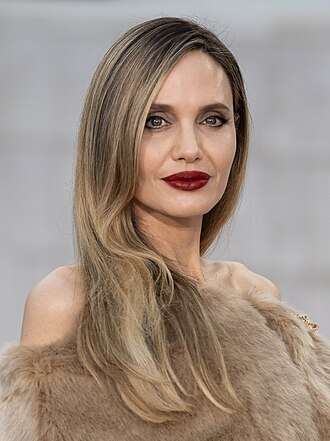
Angelina Jolie Patient whose public account of BRCA1 testing and risk-reducing surgery changed testing uptake Her 2013 New York Times essay about carrying a BRCA1 mutation and choosing preventive mastectomy roughly doubled referrals for hereditary cancer testing in several countries: the "Angelina Jolie effect". | Ovarian cancer, Triple-negative breast cancer | none | public-figure, patient | ||
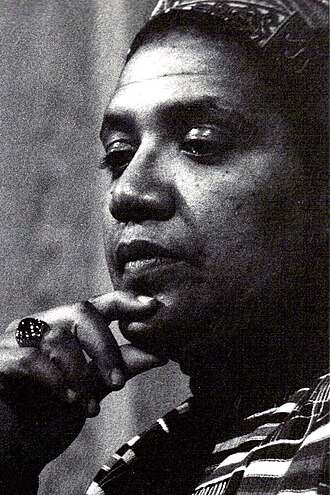
Audre Lorde Poet whose Cancer Journals reframed illness, prosthesis and silence After a mastectomy in 1978 she wrote The Cancer Journals, refusing a prosthesis and the expectation that women hide their cancer. The book became a founding text of patient writing. | Hepatocellular carcinoma | none | hero, patient | ||
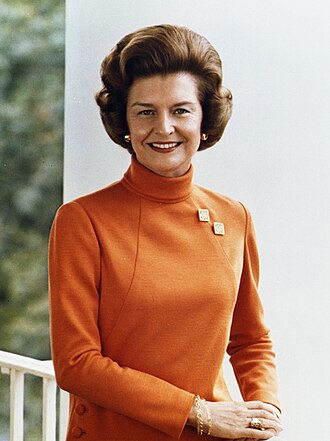
Betty Ford First Lady who spoke openly about her mastectomy in 1974 Weeks after becoming First Lady in 1974 she had a mastectomy and, unusually for the time, said so publicly. Clinics recorded a surge of women coming for breast examinations. | none | none | public-figure, patient | ||
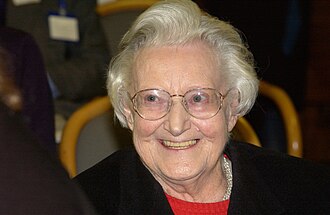
Dame Cicely Saunders Founder of the modern hospice movement Nurse, social worker and doctor who opened St Christopher's Hospice in 1967 and established that pain in advanced cancer could be prevented with regular oral morphine and attention to the whole person. | none | none | hero, pioneer | ||
Dame Deborah James "Bowelbabe": patient, broadcaster and fundraiser for bowel cancer research Diagnosed with bowel cancer at 35, she spent five years telling people to check their poo, co-hosted the BBC's You, Me and the Big C, and raised over £11 million for Cancer Research UK in the weeks before her death in 2022. | Colorectal cancer | none | hero, patient | ||
Elisabeth Kübler-Ross Psychiatrist who made the dying patient's experience a subject of medicine Her 1969 book On Death and Dying, based on interviews with terminally ill patients in a Chicago hospital, made it acceptable for doctors to talk with patients about dying and helped launch the American hospice movement. | none | none | hero, pioneer | ||
Evelyn Lauder Co-creator of the pink ribbon and founder of the Breast Cancer Research Foundation A breast cancer survivor and Estée Lauder executive who co-created the pink ribbon in 1992 and founded the Breast Cancer Research Foundation in 1993, now one of the largest private funders of breast cancer research. | Ovarian cancer | none | hero, patient | ||
Fran Visco Founding president of the National Breast Cancer Coalition A lawyer treated for breast cancer in 1987 who built the National Breast Cancer Coalition and won the Department of Defense breast cancer programme, the first to put trained patient advocates on scientific review panels. | none | none | hero, patient | ||
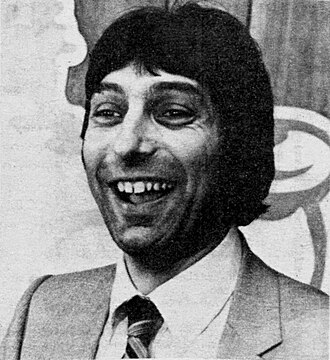
Jim Valvano Basketball coach whose ESPY speech founded the V Foundation for Cancer Research Dying of metastatic cancer, he told an audience in 1993, "Don't give up, don't ever give up," and announced a foundation that has since granted hundreds of millions of dollars to cancer research. | Cancer of unknown primary | none | public-figure, patient | ||
Kate Granger Doctor and patient who started #hellomynameis A geriatrician with a rare sarcoma who noticed that the staff treating her did not introduce themselves. Her 2013 campaign, #hellomynameis, was adopted by hundreds of thousands of health workers. | Sarcomas | none | hero, patient | ||
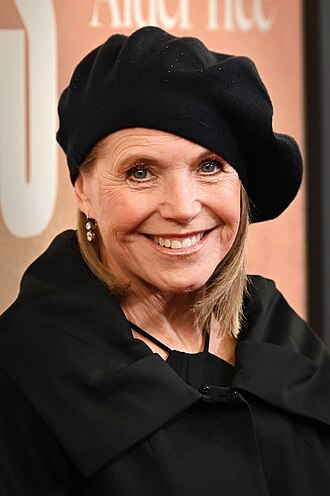
Katie Couric Widow, journalist and later patient; the on-air colonoscopy that lifted screening rates After her husband died of colon cancer at 42, she had a colonoscopy live on national television in 2000. Screening rates rose measurably afterwards: the "Couric effect". | Colorectal cancer | none | public-figure, carer, patient | ||
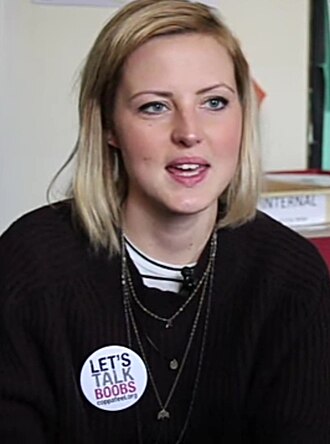
Kris Hallenga Founder of CoppaFeel!, the first breast cancer charity aimed at young people Diagnosed with incurable breast cancer at 23 after her symptoms were dismissed, she founded CoppaFeel! in 2009 to teach young people to check their chests. She lived with the disease for fifteen years. | none | none | hero, patient | ||
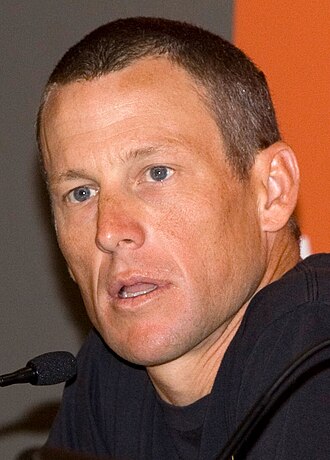
Lance Armstrong Survivor who built the Livestrong survivorship movement; later disgraced in sport Treated in 1996 for testicular cancer that had spread to his lungs and brain, he founded the foundation that made survivorship a public cause and sold 80 million yellow wristbands. His doping and its exposure in 2012 complicate the legacy. | Testicular germ cell tumours | none | public-figure, patient | ||
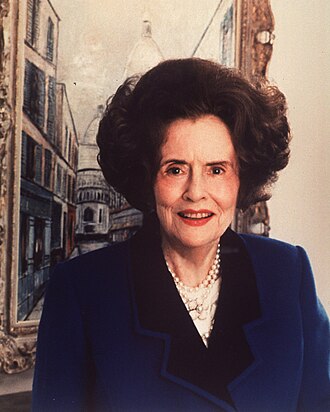
Mary Lasker Philanthropist and lobbyist behind the National Cancer Act of 1971 She turned the American Cancer Society into a research funder in the 1940s, built the Lasker Awards, and led the lobbying that produced the 1971 National Cancer Act and the modern NCI budget. | none | none | hero | ||
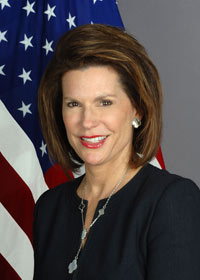
Nancy Brinker Founder of Susan G. Komen She promised her dying sister, Susan Komen, that she would end breast cancer, and in 1982 founded the organisation that created the Race for the Cure and made breast cancer a mainstream cause. | none | none | hero, carer | ||
Rose Kushner Journalist who ended the one-step mastectomy and put patients in the room Diagnosed in 1974, she refused the standard practice of biopsy and mastectomy under one anaesthetic without the patient's say. Her campaign made the two-step procedure and informed choice the norm. | none | none | hero, patient | ||
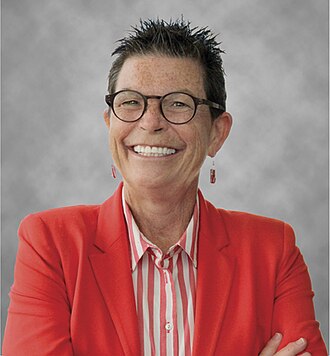
Susan Love Breast surgeon, author and founder of the Army of Women Her Breast Book gave women the information to question their surgeons; she co-founded the National Breast Cancer Coalition and in 2008 recruited hundreds of thousands of women into research through the Army of Women. | Acute myeloid leukaemia | none | hero, pioneer, patient |