hero
People shown on the heroes page: patients, pioneers, advocates and donors whose stories shaped the field. 78 records carry it: 78 people.
78 records
| Cancers | Other tags | ||||
|---|---|---|---|---|---|
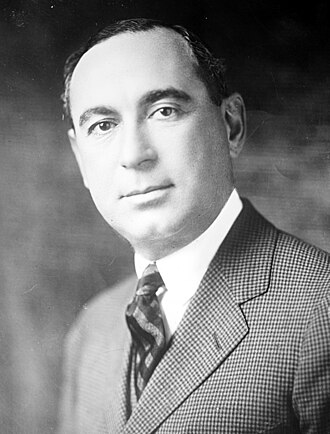
Albert Lasker Advertising pioneer who co-founded the Lasker Foundation with Mary Lasker in 1942 The man who invented modern advertising put his fortune and his methods behind medical research, founding the Lasker Foundation with his wife Mary in 1942; after his death in 1952 she carried the campaign for cancer research into law. | none | none | donor | ||
Alexandra "Alex" Scott Child with neuroblastoma who started Alex's Lemonade Stand Diagnosed with neuroblastoma before her first birthday, she set up a lemonade stand at four to raise money for her hospital. By her death at eight in 2004 it had raised $1 million; the foundation in her name has raised hundreds of millions since. | Neuroblastoma | none | patient | ||
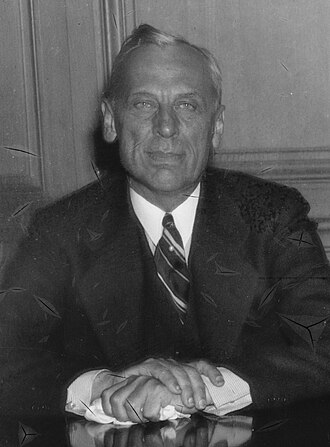
Alfred P. Sloan Jr. General Motors chairman who, with Charles Kettering, established the Sloan Kettering Institute In the 1940s the General Motors chairman joined engineer Charles Kettering to establish the Sloan Kettering Institute, dedicated in 1948, which gave Memorial Hospital a research arm and its modern name. | none | none | donor | ||
Ann Lurie Nurse and philanthropist behind Northwestern's Robert H. Lurie Comprehensive Cancer Center After her husband Robert was diagnosed with advanced colon cancer in 1987 at 46, she turned the family's fortune to Northwestern's cancer centre, which carries his name, and to the children's hospital that carries both. | Colorectal cancer | none | donor, carer | ||
Ashya King Child whose family's fight for proton therapy changed access in Britain In 2014 his parents took him from a British hospital to seek proton beam therapy for a brain tumour abroad, were arrested, then vindicated. The case sped the building of NHS proton centres. | Medulloblastoma | none | patient | ||
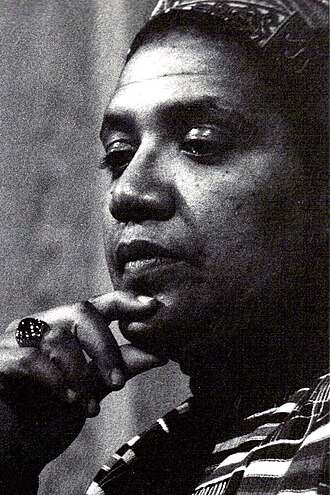
Audre Lorde Poet whose Cancer Journals reframed illness, prosthesis and silence After a mastectomy in 1978 she wrote The Cancer Journals, refusing a prosthesis and the expectation that women hide their cancer. The book became a founding text of patient writing. | Hepatocellular carcinoma | none | patient, advocate | ||
Barbara Bradfield First long-term survivor of the trastuzumab trials In 1992 she was the first patient with recurrent HER2-positive breast cancer to be treated with the antibody that became Herceptin, in Dennis Slamon's trial at UCLA. She became its first long-term survivor. | HER2-positive breast cancer | none | patient | ||
Bernard Fisher Surgeon whose NSABP trials ended the radical mastectomy and established adjuvant therapy He argued that breast cancer is a systemic disease from early on, then proved in randomised trials that lumpectomy with radiation equals mastectomy and that tamoxifen after surgery, and even before cancer, saves lives. | HR-positive / HER2-negative breast cancer | none | pioneer | ||
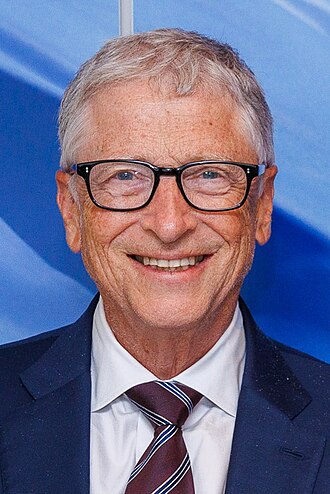
Bill Gates Co-founder of the Gates Foundation, Gavi's founding partner and the largest private funder of HPV vaccine access The Gates Foundation has committed $4.1 billion to Gavi, the vaccine alliance it helped found in 2000, whose HPV programme had fully immunised nearly 60 million girls against cervical cancer by the end of 2024. | Cervical cancer | none | donor | ||
Billy Starr Founder of the Pan-Mass Challenge, which has raised $1.125 billion for Dana-Farber After his mother died of melanoma he organised a bike ride across Massachusetts in 1980 with 36 riders; the Pan-Mass Challenge has since raised $1.125 billion for Dana-Farber and passes on every rider-raised dollar. | Melanoma | none | donor | ||
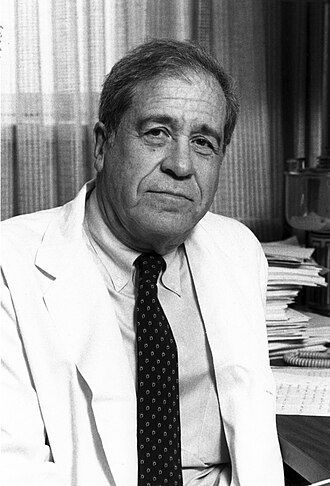
Brian Druker Physician-scientist who brought imatinib to patients with chronic myeloid leukaemia · OHSU Knight Cancer Institute He pushed a shelved kinase inhibitor through the laboratory and into a 1998 trial when few believed a targeted pill could work. Imatinib made chronic myeloid leukaemia a disease people live with, and became the model for targeted therapy. | Chronic myeloid leukaemia | none | pioneer | ||
Bud Romine First patient in the imatinib (STI571) phase 1 trial A retired railway engineer from Oregon with chronic myeloid leukaemia, he was the first person to take the drug that became Gleevec, in June 1998, after reading about Brian Druker's research in a newspaper. | Chronic myeloid leukaemia | none | patient | ||
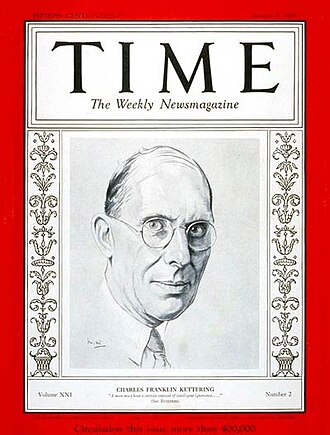
Charles F. Kettering Inventor and General Motors research chief who co-founded the Sloan Kettering Institute The inventor of the electric car starter and head of General Motors research joined Alfred Sloan in the 1940s to establish the Sloan Kettering Institute for cancer research. | none | none | donor | ||
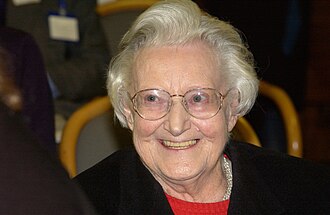
Dame Cicely Saunders Founder of the modern hospice movement Nurse, social worker and doctor who opened St Christopher's Hospice in 1967 and established that pain in advanced cancer could be prevented with regular oral morphine and attention to the whole person. | none | none | advocate, pioneer | ||
Dame Deborah James "Bowelbabe": patient, broadcaster and fundraiser for bowel cancer research Diagnosed with bowel cancer at 35, she spent five years telling people to check their poo, co-hosted the BBC's You, Me and the Big C, and raised over £11 million for Cancer Research UK in the weeks before her death in 2022. | Colorectal cancer | none | patient, advocate | ||
Daniel K. Ludwig Shipping magnate who endowed the Ludwig Institute for Cancer Research in 1971 In 1971 he put nearly all of his international holdings into a cancer research institute that carries his name reluctantly; it has since spent more than $1.8 billion of its own money on cancer science. | none | none | donor | ||
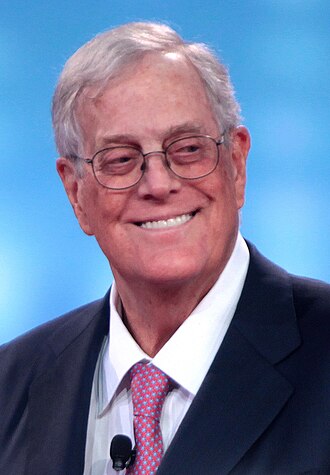
David H. Koch Prostate cancer patient whose gifts built the MIT Koch Institute and the MSK Koch Center for Cancer Care Treated for prostate cancer from 1992, he gave MIT $100 million in 2007 to build an institute that puts engineers and cancer biologists under one roof, and MSK $150 million in 2015 for a new outpatient cancer building. | Prostate cancer | none | donor, patient | ||
Debra Black Melanoma patient who co-founded the Melanoma Research Alliance Her 2007 melanoma diagnosis led her and her husband Leon to found the Melanoma Research Alliance, now the largest private funder of melanoma research. | Melanoma | none | donor, patient | ||
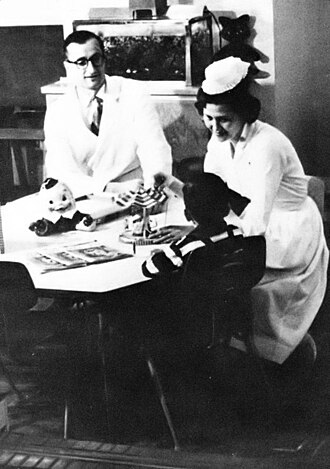
Donald Pinkel First director of St. Jude; devised Total Therapy for childhood leukaemia As the founding director of St. Jude Children's Research Hospital in 1962 he designed Total Therapy, combining drugs with treatment of the brain and spinal fluid, and raised childhood leukaemia cure rates from near zero to about half within a decade. | Acute lymphoblastic leukaemia | none | pioneer | ||
Einar "Jimmy" Gustafson The boy behind the Jimmy Fund A 12-year-old lymphoma patient of Sidney Farber whose 1948 radio broadcast launched the Jimmy Fund, which has funded Dana-Farber for more than 75 years. | none | none | patient | ||
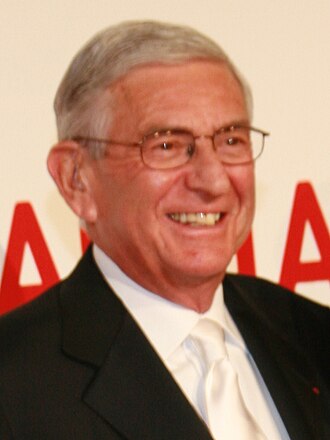
Eli Broad With Edythe Broad, founder of the Broad Institute of MIT and Harvard Eli and Edythe Broad gave $100 million in 2004 to start the Broad Institute and kept giving until their total passed $700 million in 2013; the genomics it produced underpins much of precision oncology. | none | none | donor | ||
Elisabeth Kübler-Ross Psychiatrist who made the dying patient's experience a subject of medicine Her 1969 book On Death and Dying, based on interviews with terminally ill patients in a Chicago hospital, made it acceptable for doctors to talk with patients about dying and helped launch the American hospice movement. | none | none | pioneer, advocate | ||
Emil "Tom" Frei III Pioneer of combination chemotherapy; long-time physician-in-chief of Dana-Farber With Emil Freireich he showed that combinations of drugs could cure childhood leukaemia, then extended the idea to Hodgkin lymphoma and to adjuvant treatment after surgery. | Acute lymphoblastic leukaemia, Hodgkin lymphoma, Osteosarcoma | none | pioneer | ||
Emil J Freireich Pioneer of combination chemotherapy and the cure of childhood leukaemia At the NCI in the early 1960s he and Emil Frei gave children four drugs at once, VAMP, against fierce opposition, and turned a uniformly fatal leukaemia into a curable one. He also worked out platelet transfusion. | Acute lymphoblastic leukaemia, Acute myeloid leukaemia | none | pioneer | ||
Emily Whitehead Patient whose case launched CAR-T for children The first child treated with CAR-T cells, in 2012. Her recovery from relapsed leukaemia turned an experimental idea into an approved therapy. | Acute lymphoblastic leukaemia | none | patient | ||
Evelyn Lauder Co-creator of the pink ribbon and founder of the Breast Cancer Research Foundation A breast cancer survivor and Estée Lauder executive who co-created the pink ribbon in 1992 and founded the Breast Cancer Research Foundation in 1993, now one of the largest private funders of breast cancer research. | Ovarian cancer | none | advocate, patient | ||
Fran Visco Founding president of the National Breast Cancer Coalition A lawyer treated for breast cancer in 1987 who built the National Breast Cancer Coalition and won the Department of Defense breast cancer programme, the first to put trained patient advocates on scientific review panels. | none | none | advocate, patient | ||
Gert Boyle Columbia Sportswear chairwoman whose $100 million helped Oregon meet the Knight Cancer Challenge In 2014 the Columbia Sportswear chairwoman gave $100 million to OHSU's Knight Cancer Institute, the largest single contribution toward matching Phil and Penny Knight's $500 million challenge. | none | none | donor | ||
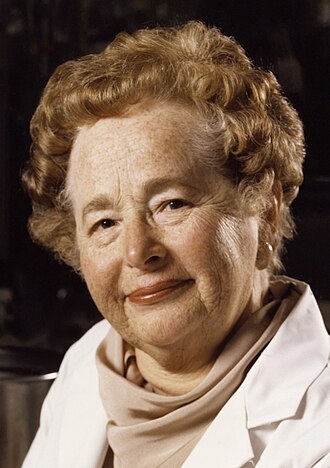
Gertrude Elion Chemist who designed 6-mercaptopurine and the first rational anticancer drugs Without a doctorate, she and George Hitchings designed drugs to block DNA building blocks. Their 6-mercaptopurine of 1951 remains part of the cure for childhood leukaemia; she won the Nobel Prize in 1988. | Acute lymphoblastic leukaemia | none | pioneer | ||
Goh Cheng Liang Nippon Paint magnate whose Goh Foundation gave $50 million for Singapore's public proton therapy centre His Goh Foundation's $50 million gift built the Goh Cheng Liang Proton Therapy Centre at the National Cancer Centre Singapore, the only public proton therapy service in the country. | none | none | donor | ||
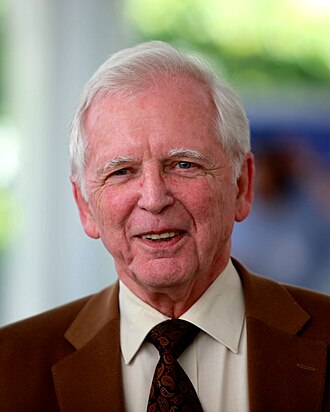
Harald zur Hausen Virologist who showed that human papillomavirus causes cervical cancer Against the consensus that herpes was to blame, he proposed in 1976 that papillomaviruses cause cervical cancer and isolated HPV16 and HPV18 from tumours in 1983-84, making vaccination and HPV testing possible. Nobel Prize 2008. | Cervical cancer, Head and neck squamous cell carcinoma, Anal cancer | none | pioneer | ||
Helen Diller Namesake of the UCSF Helen Diller Family Comprehensive Cancer Center; the Diller family's UCSF giving reached $650 million by 2017 The cancer centre at UCSF carries her name, and in 2017 the Helen Diller Foundation gave UCSF $500 million, the largest gift in its history, bringing the family's total there to $650 million. | none | none | donor | ||
Henrietta Lacks Patient whose cells became the HeLa line; the case that reshaped research consent Her cervical cancer cells, taken in 1951 without her knowledge, became HeLa, the first immortal human cell line. Her story changed how consent and family rights in research are handled. | Cervical cancer | none | patient | ||
Herbert Irving Sysco co-founder whose family gave more than $900 million to Columbia, founding the Herbert Irving Comprehensive Cancer Center Herbert and Florence Irving's gifts to Columbia began with $8.5 million in 1987, founded its cancer centre in 1995 and ended with a $700 million bequest in 2017 for cancer research; the total passed $900 million. | none | none | donor | ||
Ian Frazer Immunologist who, with Jian Zhou, created the technology behind the HPV vaccine · The University of Queensland Frazer Institute In 1991 he and Jian Zhou made HPV virus-like particles in the laboratory, the basis of the vaccines that could eliminate cervical cancer. Australia, where the vaccine was rolled out first, is on course to do so. | Cervical cancer | none | pioneer | ||
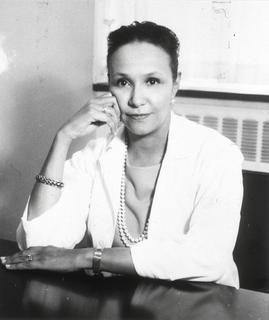
Jane Cooke Wright Pioneer of chemotherapy for solid tumours; co-founder of ASCO At Harlem Hospital in the 1950s she showed methotrexate could shrink breast and skin cancers, tested drugs on patients' own tumour cells, and in 1964 was the only woman among the seven founders of ASCO. | none | none | pioneer | ||
Janet Rowley Geneticist who showed that chromosomal translocations cause cancer Working part-time at her dining-room table in 1972, she showed the Philadelphia chromosome in CML is a swap between chromosomes 9 and 22. Cancer had a genetic cause, and imatinib later hit the fused gene. | Chronic myeloid leukaemia, Acute myeloid leukaemia | none | pioneer | ||
Jian Zhou Virologist who co-invented the HPV virus-like particle vaccine A Chinese virologist whose skill in expressing viral proteins made the first HPV virus-like particles in 1991. He died in 1999 at 42, seven years before the vaccine reached the public. | Cervical cancer | none | pioneer | ||
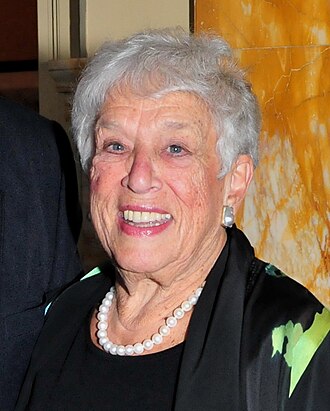
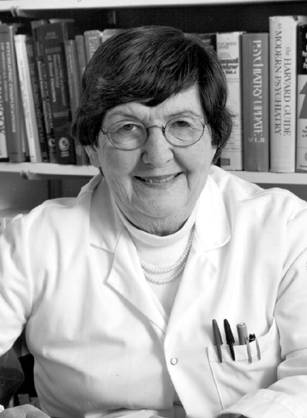
Jimmie Holland Founder of psycho-oncology A psychiatrist who set up the first full-time psychiatry service in a cancer hospital at Memorial Sloan Kettering in 1977, founded the field's societies and journal, and made distress a vital sign in cancer care. | none | none | pioneer | ||
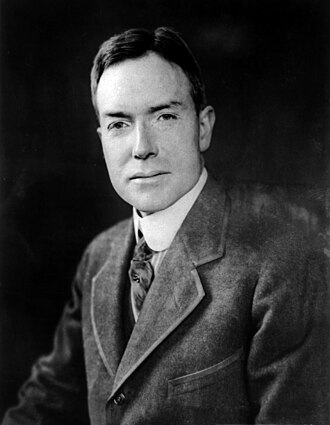
John D. Rockefeller Jr. Donor of the York Avenue land on which Memorial Sloan Kettering stands In 1936 he donated the land on York Avenue to which Memorial Hospital moved; Memorial Sloan Kettering has been there ever since. | none | none | donor | ||
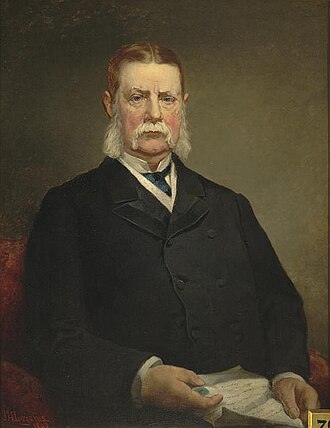
John Jacob Astor III With his wife Charlotte, among the founders of New York Cancer Hospital in 1884, now Memorial Sloan Kettering In 1884 he and his wife Charlotte were among the group who founded New York Cancer Hospital, the institution that became Memorial Sloan Kettering Cancer Center. | none | none | donor | ||
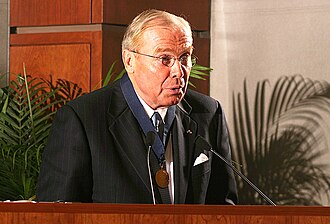
Jon M. Huntsman Sr. Cancer survivor who founded and funded Huntsman Cancer Institute A chemicals billionaire treated for cancer several times, he and his wife Karen founded Huntsman Cancer Institute in 1995 and their family gave more than $400 million to build its research institute and hospital. | none | none | donor, patient | ||
Judah Folkman Surgeon-scientist who proposed and proved that tumours depend on new blood vessels In 1971 he proposed that tumours cannot grow beyond a few millimetres without recruiting blood vessels, and that blocking them could treat cancer. Dismissed for decades, the idea produced bevacizumab and a class of drugs. | none | none | pioneer | ||
Kate Granger Doctor and patient who started #hellomynameis A geriatrician with a rare sarcoma who noticed that the staff treating her did not introduce themselves. Her 2013 campaign, #hellomynameis, was adopted by hundreds of thousands of health workers. | Sarcomas | none | patient, advocate | ||
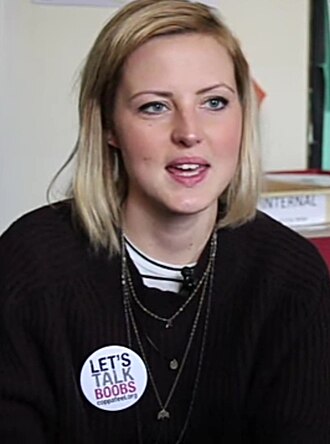
Kris Hallenga Founder of CoppaFeel!, the first breast cancer charity aimed at young people Diagnosed with incurable breast cancer at 23 after her symptoms were dismissed, she founded CoppaFeel! in 2009 to teach young people to check their chests. She lived with the disease for fifteen years. | none | none | patient, advocate | ||
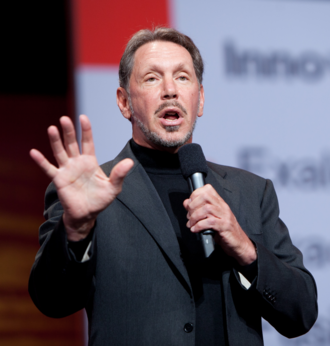
Larry Ellison Oracle founder behind the Ellison Institute for Transformative Medicine and the Ellison Institute of Technology In 2016 he founded an institute in Los Angeles to reimagine cancer care, and his Ellison Institute of Technology is building an Oxford campus with a £130 million alliance with the university. | none | none | donor | ||
Leon Black Co-founder, with Debra Black, of the Melanoma Research Alliance After his wife Debra's melanoma diagnosis in 2007 the couple founded the Melanoma Research Alliance, which has put more than $200 million into research while they pay its running costs so every donated dollar goes to science. | Melanoma | none | donor | ||
Leonard Abramson U.S. Healthcare founder whose 1997 gift created Penn's Abramson Cancer Center In 1997 he and his wife Madlyn, a cancer survivor, gave the University of Pennsylvania the gift that created the Abramson Cancer Center, where CAR-T therapy was later developed. | none | none | donor | ||
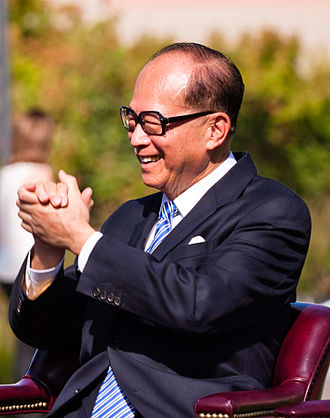
Li Ka-shing Hong Kong entrepreneur whose foundation funded free hospice care for poor cancer patients and the building that houses the CRUK Cambridge Institute Since 1980 he has put more than HK$30 billion into his foundation; its Heart of Gold programme gave free hospice care to tens of thousands of poor terminal cancer patients, and its gift built the Cambridge centre that houses Cancer Research UK's institute there. | none | none | donor | ||
Lucille P. Markey Calumet Farm owner whose gifts founded the University of Kentucky Markey Cancer Center In the late 1970s the owner of Calumet Farm approved a $1 million gift, the first of many, and in 1983 the Lucille Parker Markey Cancer Center was founded in her name in Lexington. | none | none | donor | ||
Marc Lustgarten Cablevision executive whose pancreatic cancer diagnosis launched the Lustgarten Foundation Diagnosed with pancreatic cancer in 1998 at 51, he set up a foundation that awarded ten $100,000 grants in its first year and became the largest private funder of pancreatic cancer research; he died in 1999. | Pancreatic ductal adenocarcinoma | none | donor, patient | ||
Martha Rivers Ingram Businesswoman whose family's 1999 gift named Vanderbilt-Ingram Cancer Center in memory of E. Bronson Ingram In 1999 the Ingram family made what Vanderbilt calls a transformational gift in honour of the late E. Bronson Ingram; the centre took the family's name and became Tennessee's leading cancer research centre. | none | none | donor | ||
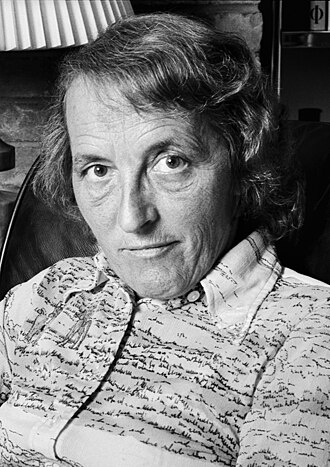
Mary Lasker Philanthropist and lobbyist behind the National Cancer Act of 1971 She turned the American Cancer Society into a research funder in the 1940s, built the Lasker Awards, and led the lobbying that produced the 1971 National Cancer Act and the modern NCI budget. | none | none | advocate | ||
Mary-Claire King Geneticist who proved inherited breast cancer exists and mapped BRCA1 In 1990 she showed that a single gene on chromosome 17, BRCA1, causes inherited breast and ovarian cancer, when most of the field doubted such a gene existed. Genetic testing and risk-reducing care followed. | Ovarian cancer, Triple-negative breast cancer | none | pioneer | ||
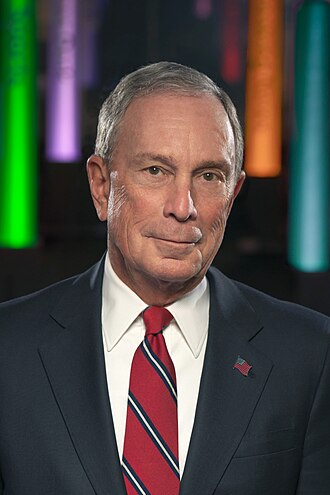
Michael Bloomberg Johns Hopkins' largest benefactor; co-founder of the Bloomberg~Kimmel Institute for Cancer Immunotherapy In 2016 his $50 million, matched by Sidney Kimmel and others to $125 million, launched a Johns Hopkins institute that put more than a hundred scientists and clinicians to work on cancer immunotherapy. | none | none | donor | ||
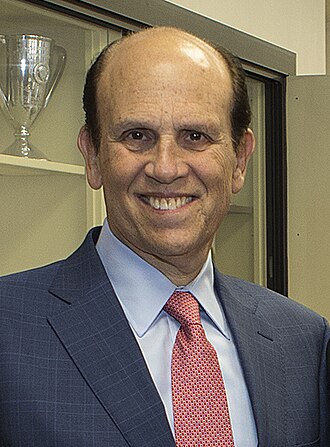
Michael Milken Prostate cancer patient who founded the Prostate Cancer Foundation in 1993 Diagnosed with advanced prostate cancer in 1993, the financier founded the Prostate Cancer Foundation, whose grants helped pay for the science behind abiraterone and enzalutamide and built a network of precision oncology centres for US veterans. | Prostate cancer | none | donor, patient | ||
Monroe Dunaway Anderson Cotton merchant and banker whose foundation's bequest created MD Anderson Cancer Center He never saw the hospital: his foundation, left $19 million on his death in 1939, matched the State of Texas's $500,000 in 1941 on condition the new cancer hospital be built in Houston and carry his name. | none | none | donor | ||
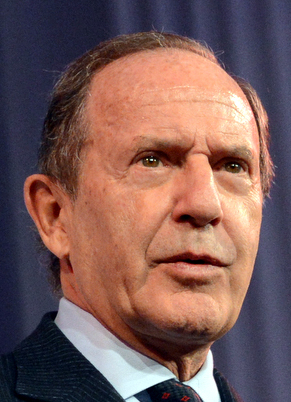
Mortimer Zuckerman Publisher and developer whose $100 million built Memorial Sloan Kettering's Zuckerman Research Center His 2006 pledge of $100 million, then the largest individual commitment in MSK's history, built a 23-storey laboratory tower that nearly doubled the centre's research space. | none | none | donor | ||
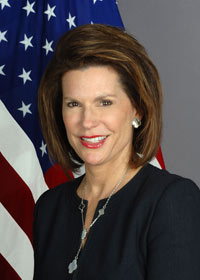
Nancy Brinker Founder of Susan G. Komen She promised her dying sister, Susan Komen, that she would end breast cancer, and in 1982 founded the organisation that created the Race for the Cure and made breast cancer a mainstream cause. | none | none | advocate, carer | ||
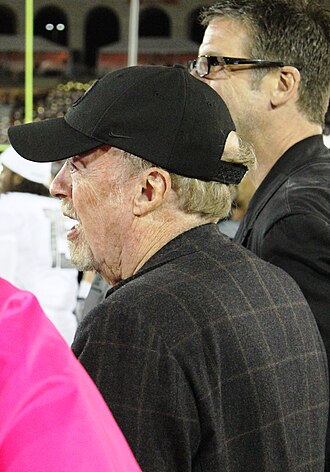
Phil Knight Nike co-founder whose gifts to OHSU Knight Cancer Institute total more than $2.6 billion Phil and Penny Knight gave OHSU $100 million in 2008, a $500 million challenge in 2013 that Oregon met within two years, and $2 billion in 2025, described by OHSU as the largest gift to a US university. | none | none | donor |
(showing the first 60)
The table above loads 60 of 78 records first and fetches the rest as you scroll, search or filter. This tag as JSON · table rows · API